

Complete Guide to Crypto CFDs
1. What Are Crypto CFDs?
Crypto CFDs (Contracts for Difference) allow traders to speculate on the price movements of cryptocurrencies without owning the underlying asset. Instead of buying actual Bitcoin, Ethereum, or other cryptocurrencies, traders enter a contract with a broker to exchange the difference in price from the opening to the closing position.
Key Features of Crypto CFDs:
-
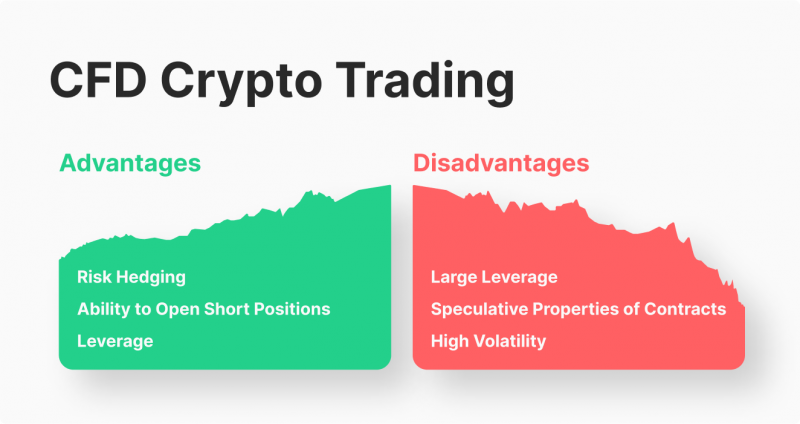
Leverage: Trade with a fraction of the capital required for full ownership.
-
Short Selling: Profit from both rising and falling markets.
-
No Need for Crypto Wallets: Avoid security risks associated with direct cryptocurrency ownership.
-
Fast Execution: Instant buying and selling through CFD platforms.
2. How Do Crypto CFDs Work?
When trading a Crypto CFD, you take either a long (buy) or short (sell) position based on whether you believe the price will go up or down.
Example:
-
Buying (Long Position): You enter a long trade on BTC/USD at $40,000.
-
If the price rises to $42,000, you earn the $2,000 difference.
-
If it drops to $38,000, you lose the $2,000 difference.
-
-
Selling (Short Position): You enter a short trade on BTC/USD at $40,000.
-
If the price drops to $38,000, you earn the $2,000 difference.
-
If it rises to $42,000, you lose the $2,000 difference.
-
3. Crypto CFD Trading vs. Spot Trading
| Feature | Crypto CFDs | Spot Trading (Buying Actual Crypto) |
|---|---|---|
| Ownership | No | Yes |
| Leverage | Yes (higher risk) | No |
| Short Selling | Yes | No |
| Security | Broker dependent | Risk of hacks, requires a wallet |
| Regulation | Varies by broker | Depends on exchange policies |
4. Risks of Trading Crypto CFDs
Like any leveraged trading, Crypto CFDs come with significant risks:
-
High Volatility: Crypto markets experience rapid price swings.
-
Leverage Risks: Amplifies gains but also increases potential losses.
-
Overnight Fees: Holding CFD positions overnight incurs swap fees.
-
Regulatory Uncertainty: Crypto regulations vary across jurisdictions.
5. How to Trade Crypto CFDs Safely
✅ Use a Regulated Broker – Choose a trusted CFD broker with strong security and compliance standards.
✅ Manage Risk with Stop-Loss Orders – Set limits to minimize potential losses.
✅ Start with a Demo Account – Practice before investing real money.
✅ Follow Market News & Analysis – Stay updated on crypto trends and events affecting prices.
6. Popular Crypto CFD Brokers
Choosing the right broker is crucial for a secure and efficient trading experience. Here are some well-known platforms offering Crypto CFD trading:
1. eToro
-
Regulated by FCA, CySEC, ASIC
-
User-friendly platform with copy trading features
-
Offers leverage and multiple crypto CFD options
2. Plus500
-
Regulated by FCA, CySEC, ASIC
-
Competitive spreads with no commission fees
-
Advanced risk management tools
3. FXPRO
-
Well-established and regulated broker
-
Offers competitive spreads and leverage options
-
Provides multiple trading platforms, including MetaTrader 4/5
4. Fusion Markets
-
Low-cost trading with tight spreads
-
Supports a wide range of cryptocurrencies for CFD trading
-
Provides high-speed execution and a user-friendly interface
5. AvaTrade
-
Regulated by multiple financial authorities
-
Offers fixed spreads and competitive trading conditions
-
Provides MetaTrader 4 and 5 for CFD trading
7. Strategies for Trading Crypto CFDs
To maximize your potential in Crypto CFD trading, consider the following strategies:
1. Trend Following
-
Identify long-term market trends and enter trades accordingly.
-
Use indicators like moving averages and RSI to confirm trends.
2. Scalping
-
Enter and exit multiple trades in short time frames.
-
Take advantage of small price movements for quick profits.
3. Swing Trading
-
Hold positions for a few days to weeks, capitalizing on medium-term price swings.
-
Utilize support and resistance levels for trade entries.
4. Hedging
-
Open both long and short positions to mitigate risks during uncertain market conditions.
Conclusion
Crypto CFDs offer traders a flexible way to gain exposure to cryptocurrencies without directly owning them. While they provide advantages like leverage and short-selling opportunities, they also come with risks. Understanding these factors and employing risk management strategies is key to successful trading.
Disclaimer:
This article is for informational and educational purposes only and does not constitute financial, investment, trading, or legal advice. Always do your own research or consult a licensed advisor before making trading decisions.


